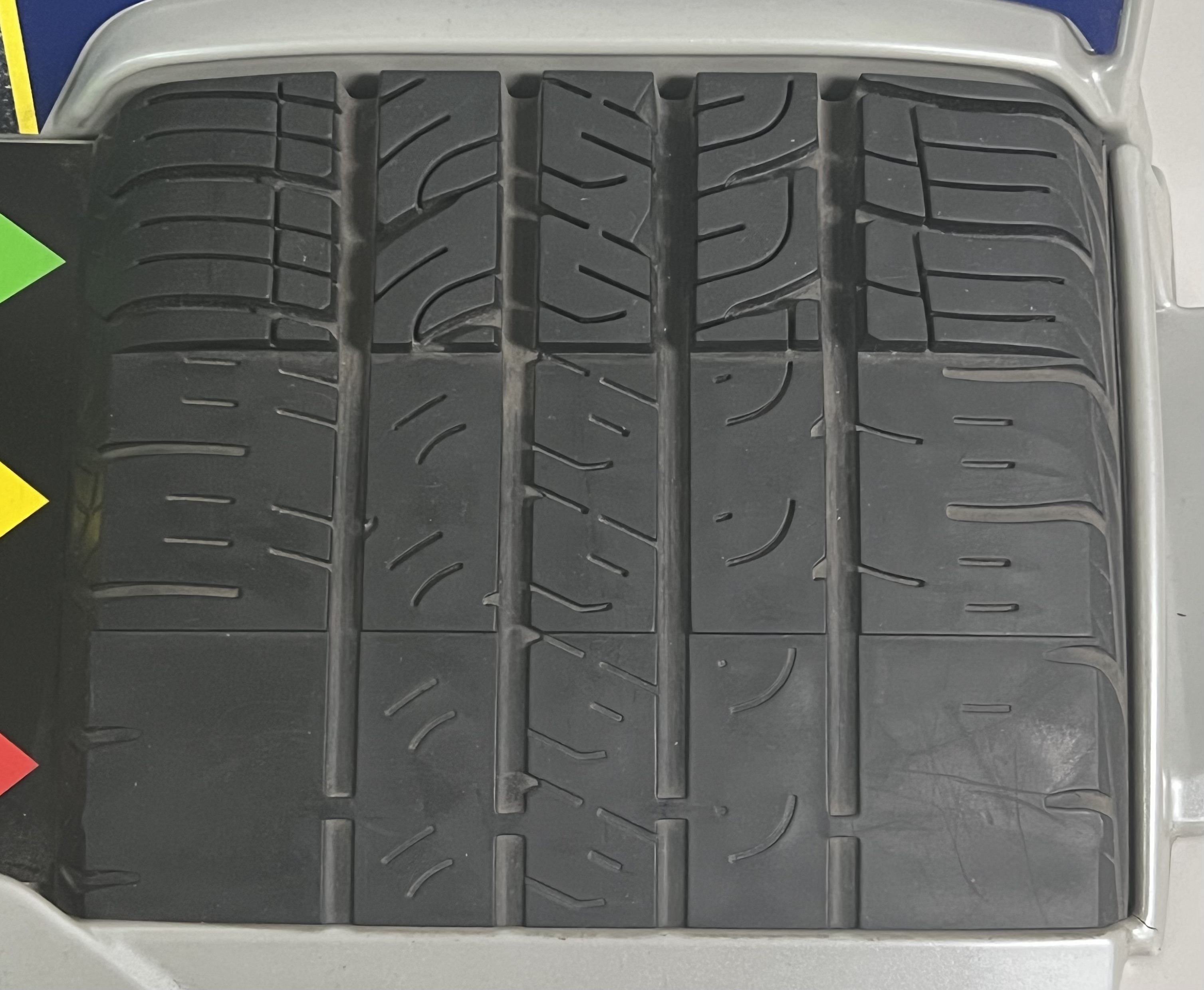
Imagine you're driving down A1A in Hallandale Beach, the sun beating down on your hood as you cruise along the beachside road. The air is thick with saltwater and sunscreen, and you can smell the ocean breeze wafting through your windows. As you hit the 30,000-mile mark on your trusty old sedan, you start to wonder if your tires are still in good condition. After all, you don't want to be stuck with a blowout on the highway, especially not on a hot summer day. You've heard that worn-out tires can be a major safety hazard, and you want to make sure you're taking care of your vehicle.
The quarter test is a simple and effective way to check your tire tread, and it's a crucial part of maintaining your vehicle's safety and performance. By using a quarter, you can easily determine if your tires are worn down too far, and take action to replace them before it's too late. In fact, the quarter test is a recommended method by many tire manufacturers and safety experts.
How to Perform the Quarter Test
Grab a quarter and slide it upside-down into a tread groove, Washington's head pointing down. If the tread reaches the top of Washington's head — the coin's head is partly hidden — you've got more than 4/32 of an inch left and you're in decent shape. If you can see all of Washington's head above the tread, you're at or below 4/32", which means replacement time is near. Check a few spots across each tire, since tires can wear unevenly. The quarter test isn't a substitute for a professional inspection, but it's a solid early warning.
Why is the Quarter Test Important?
The quarter test is an essential tool for maintaining your vehicle's safety and performance. Worn-out tires can lead to a range of problems, including reduced traction, increased stopping distance, and even blowouts. By checking your tire tread regularly, you can identify potential issues before they become major problems. This is especially important in South Florida, where the hot and humid climate can take a toll on your tires.
The Science Behind the Quarter Test
The quarter test works by measuring the depth of the tire tread. The tire tread is the part of the tire that comes into contact with the road, and it's designed to provide traction and grip. Over time, the tire tread can wear down, reducing the tire's ability to grip the road. The quarter test measures the depth of the tire tread by inserting a quarter into the tire groove. If the quarter is flush with the tire tread, the tread is still in good condition. However, if the quarter is visible, the tread is worn down too far and it's time to replace it.
What to Do if Your Tires are Worn Out
If your tires are worn out, it's time to replace them. Worn-out tires can be a major safety hazard, and they can also reduce your vehicle's performance. To replace your tires, you'll need to purchase new ones that meet your vehicle's specifications. You can purchase tires from a local tire shop or online. Be sure to check the tire's tread depth and other specifications before making a purchase.
What Does the Video Show?
The video above, "The Penny Trick to Check Tire Tread in 2 Seconds" by The 2-Minute Mechanic, demonstrates the penny version of the same idea — slide a coin into the tread and read the depth off Lincoln's head. The penny test reads 2/32 of an inch (the legal minimum in most states), while the quarter test in this guide reads 4/32, giving you an earlier heads-up. Same motion, same two seconds, just a different coin for a different threshold.
When to Call Us
If you're unsure about how to perform the quarter test or if you're concerned about your tire tread, don't hesitate to call us at (754) 243-8415 for assistance. We serve the Hallandale Beach and Broward areas, and our team of experts is always happy to help. Whether you need a simple tire check or a full-service tire replacement, we've got you covered.
Stuck on the Shoulder Right Now?
Hazards on, passenger-side exit, call dispatch. We roll in 15 minutes.
📞 Call (754) 243-8415If You Don't Have a Spare
Many newer vehicles (and most diplomat-garage vehicles) ship without a spare. If that's you, our Diagnostic is the next read: scenarios/no-spare-tire.html. Service call is $40 with a $40 booking hold, and we get you home or to a shop.