It was a hot July afternoon in Hallandale Beach. The sun was high over the Atlantic, the humidity clung to the air, and a northbound drive on I‑95 felt like a slow river. You were in the passenger seat, the radio playing a local DJ, when suddenly the right rear tire let out a sharp hiss and a puff of hot air shot toward the side of the car. The wheel lurched, the steering felt heavier, and your heart beat faster. You knew instinctively that you were dealing with a blowout, but you also remembered the word‑less advice a friend had given you: don’t slam the brakes.
If a tire blows out while you’re driving, keep the wheel on the road, steer gently to maintain control, and apply the brakes gradually. Sudden braking can lock the wheels and cause a loss of steering. The goal is to bring the vehicle to a safe stop while keeping it stable.
What happens to a car when a tire blows out?
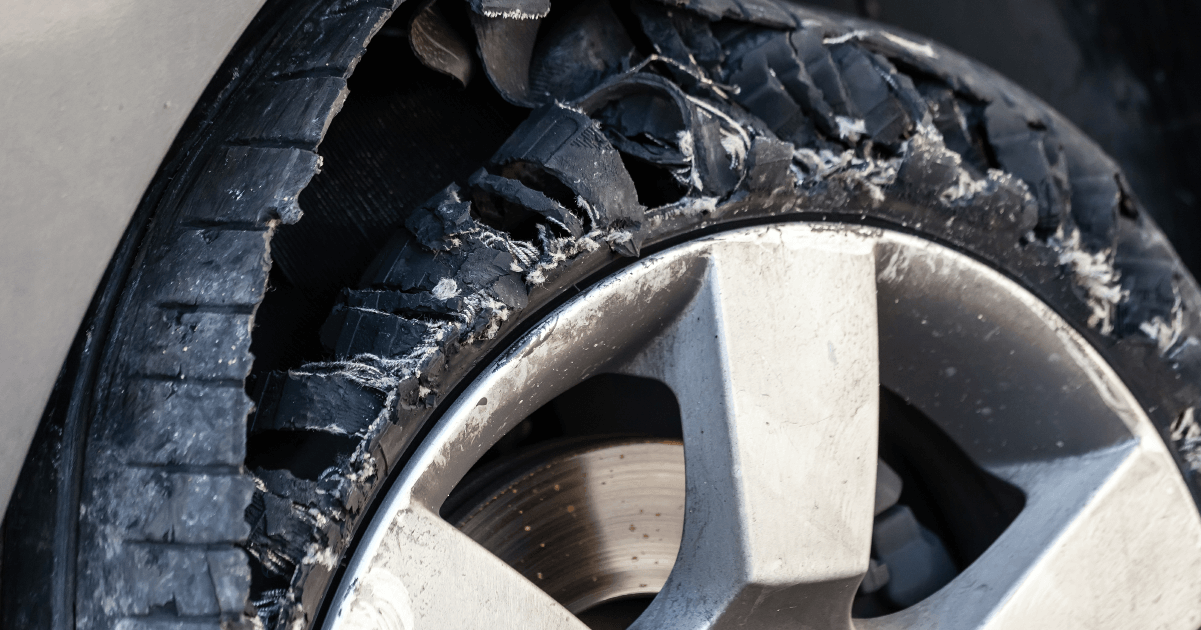
A blowout is a sudden loss of pressure and structural integrity in the tire. When the tire’s sidewall or tread fails, the wheel can wobble or even detach from the rim. In the moment the tire goes flat, the weight of the vehicle shifts, the steering becomes heavier, and the vehicle can pull toward the side of the blown tire. The feeling is almost like a sudden, violent tug on the steering wheel.
Typical blowouts occur between 50 and 70 miles per hour on highways, but they can happen at lower speeds if the tire is severely damaged. In Hallandale Beach’s humid climate, salt from the ocean and beach sand can accelerate tread wear, making tires more prone to blowouts during summer driving.
Why should you avoid slamming the brakes during a blowout?
Braking hard when a tire has blown out can lock the wheels. Locked wheels lose the ability to turn, which means you lose steering control. The car can skid sideways or spin, especially if one side is losing traction. This is dangerous on a wet or slick surface like the asphalt that runs along A1A, where the guardrails are close and the margin for error is small.
Instead of hard braking, the recommended technique is to use light pressure on the brake pedal combined with engine braking. This keeps the tires rolling and allows the steering wheel to function properly.
How do you steer a car when one tire blows out?
- Keep the wheel on the road. Even if the tire feels loose, apply light pressure with the foot that is on the brake. The goal is to keep the wheel in contact with the pavement, not to lift it.
- Maintain a straight line. Turn the steering wheel slightly to the opposite side of the blowout if the vehicle tends to pull. For example, if the right rear tire blows, steer a little left. This counteracts the pull and keeps the car centered.
- Steer gently. Avoid sudden movements. The steering wheel is a lever; pushing it too fast can create a sudden change in direction that the wheels can’t follow.
- Use engine braking. Let the car’s engine slow the vehicle. Downshift to a lower gear if you’re driving a manual or let the automatic shift to a lower gear naturally. This reduces the need to use the brakes heavily.
- Check wheel alignment. After the blowout, feel for any wobble in the steering wheel. A sudden bump or vibration can indicate that the wheel is no longer aligned properly.
What are the safest speeds to control a blowout?
When a blowout occurs, the safest approach is to reduce speed to a level where you can maintain control without risking a skid. In a typical Hallandale Beach emergency, that means dropping from 70 miles per hour to around 30–40 miles per hour. At this speed, the engine braking effect is stronger, and the steering wheel offers better feedback to keep the vehicle steady.
Driving slower also gives you more time to react if the tire’s sidewall gives way again or if the vehicle starts to veer. In a hot summer day, the asphalt can become slick from rain or oil, which further reduces the safe speed threshold.
When does a blowout become a road hazard beyond your control?
If the tire’s sidewall detaches completely or the wheel spins freely, the steering wheel may feel almost disconnected. In that case, you have to pull over quickly to a safe spot—an exit ramp, shoulder, or a parking lot—where you can stop without risking a collision.
Also, if you feel a sudden, sharp shock that pushes the vehicle sideways or if the car starts to spin, the tire is no longer cooperating. In that situation, the best move is to keep your hands on the wheel, apply light brake pressure, and bring the car to a stop on the shoulder. Do not try to correct the direction with a hard turn; that can worsen the loss of traction.
Below is a short summary of what the video shows.
The embedded video is a driving lesson on how to maintain control when a tire blows out. It covers steering input, staying calm behind the wheel, and why slamming the brakes makes things worse — walking through the technique step by step.
When to call us
DIY is great, but some jobs need a pro. If the problem persists, you spot anything dangerous, or you'd rather have an expert handle it, call (754) 243-8415 — Hallandale Mobile Tire serves Hallandale Beach and Broward (Mon-Sat 8AM-8PM). No pressure, no upsells.
Stuck on the Shoulder Right Now?
Hazards on, passenger-side exit, call dispatch. We roll in 15 minutes.
📞 Call (754) 243-8415If You Don't Have a Spare
Many newer vehicles (and most diplomat-garage vehicles) ship without a spare. If that's you, our Diagnostic is the next read: scenarios/no-spare-tire.html. Service call is $40 with a $40 booking hold, and we get you home or to a shop.