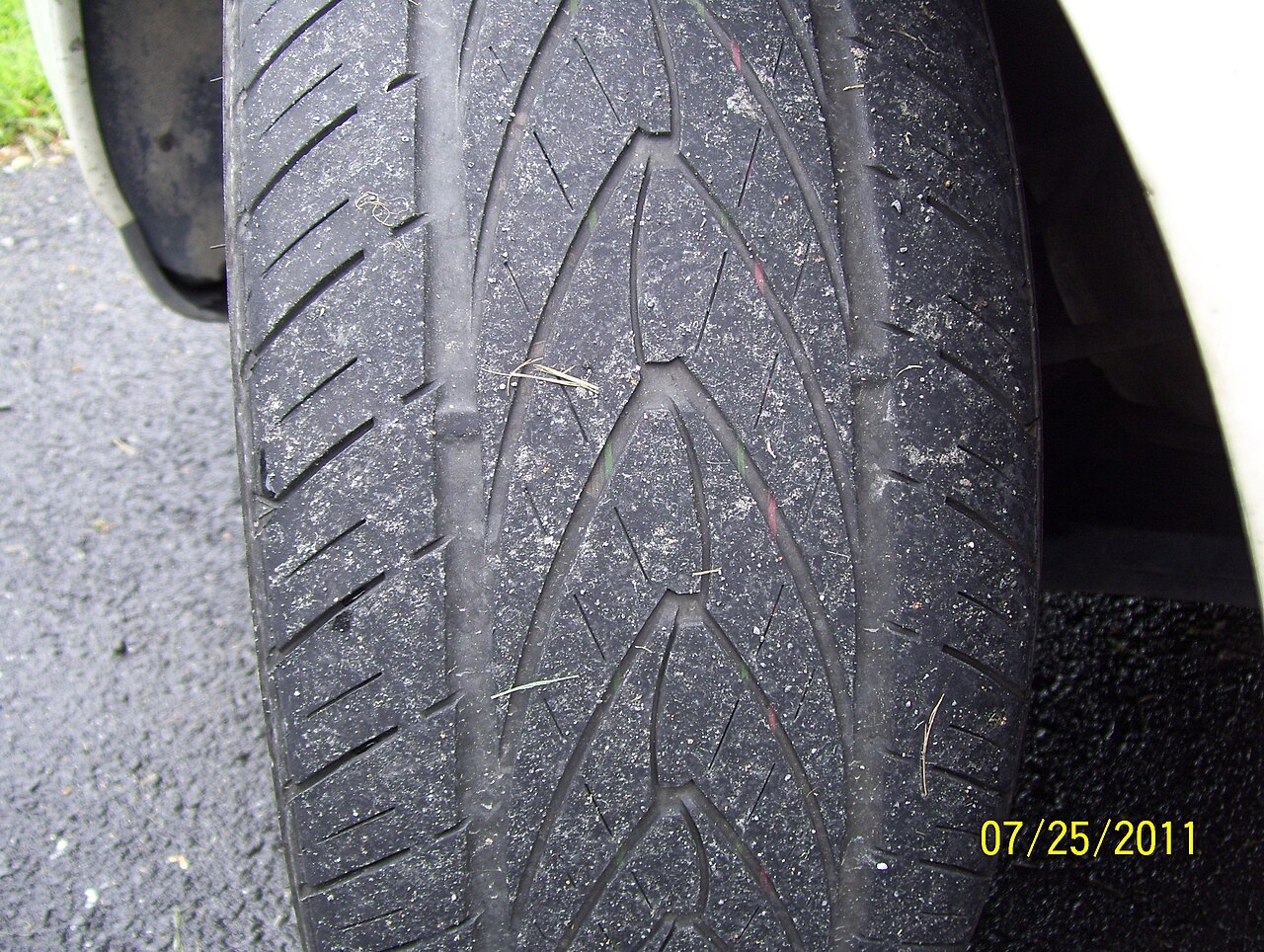
In the middle of a humid Saturday afternoon, a driver in Hallandale Beach pulls into the parking lot of a local coffee shop. The sun is high, the heat on the asphalt is almost a constant hum, and the driver notices a faint, uneven wobble in the steering wheel as the car rolls forward. The first thing that catches the eye is a crescent‑shaped patch along the outer edge of the front tire, a darkened line that looks like a faint scar on the sidewall. That is the first sign that the tire might be underinflated.
What does edge wear look like on a tire?
When a tire is underinflated, the weight of the vehicle pushes the sidewall toward the ground. The outer edge of the tread becomes the first point of contact and wears faster. You’ll see a narrow, darker band that follows the shape of the tire’s sidewall. The color may be slightly gray or a darker shade of the original tread color. If the edge is worn to the point that the tread depth is less than the minimum legal depth—2 / 32 of an inch in most states—you’ve reached a dangerous level of wear.
How can I spot underinflation early?
Check the tire pressure once a month with a reliable gauge. A good gauge reads to the nearest 1 psi. The recommended pressure for most passenger cars is between 32 and 35 psi, printed on the sticker inside the driver's door jamb — always go by your car's sticker, not the number on the tire sidewall. If your reading is several psi below that number, the tire is underinflated enough to start wearing the edges.
Why does underinflation cause edge wear?
A tire is designed to carry the vehicle’s weight with the sidewall slightly flexed. When the pressure drops, the sidewall flexes more, and the outer edge bears more load. Think of a rubber band that’s been stretched too far; the part that’s pulled the most will stretch and wear. The same happens to the tire—more contact with the road on the outer edge leads to faster tread loss there. Over time, the edge can thin to the point where the tire’s structural integrity is compromised.
What’s the risk if I ignore edge wear?
Unchecked edge wear can lead to a sudden loss of traction, especially on wet or humid Hallandale roads. A tire that’s lost a significant amount of tread depth on the edge may flex more during cornering, causing unpredictable handling. In extreme cases, the tire can develop a sidewall crack or even blow out, which is a safety hazard for the driver and others on the road.
How often should I check my tire pressure?
Tire makers and safety groups recommend checking tire pressure at least once a month, and always before a long trip. In South Florida heat, pressure drifts down over time, so a monthly check is essential. If you notice the tire’s sidewall looking worn, double‑check the pressure immediately.
What tools do I need to check edge wear?
A digital or analog tire pressure gauge is all you need to read psi. For visual inspection, a flashlight can help you see the tread profile more clearly. If you have a depth gauge, you can check the tread depth on the edge to see how far it has worn compared to the center of the tread. A simple comparison to a new tire’s tread depth—usually 10 / 32 of an inch—helps determine if you need a replacement.
When should I replace the tire?
If the edge wear has thinned the tread to less than 2 / 32 of an inch, or if the tire shows uneven wear that spreads across the entire tread, it’s time to replace it. Even if the pressure is restored, the structural damage from prolonged underinflation may not be reversible. Replacing the tire before it fails ensures safe handling and prevents costly repairs later.
Your TPMS light is the car's way of telling you pressure dropped — the same low pressure that wears tire edges. This DIY video walks through replacing a TPMS sensor without a tire machine, so the warning system watching your pressure keeps working:
The video is a step-by-step DIY walkthrough titled "How to Replace a TPMS Sensor Without a Tire Machine!" It covers diagnosing a dead sensor, breaking the bead with an affordable manual tool, removing the old sensor, servicing the valve stem, programming the new sensor before installation, and reseating the bead so the car's computer recognizes the sensors and the warning light goes out. The takeaway for edge wear is simple: the TPMS system exists to catch the underinflation that chews up tire edges, so a working sensor — and paying attention when its light comes on — is your first line of defense.
When to call us
DIY is great, but some jobs need a pro. If the problem persists, you spot anything dangerous, or you'd rather have an expert handle it, call (754) 243-8415 — Hallandale Mobile Tire serves Hallandale Beach and Broward (Mon-Sat 8AM-8PM). No pressure, no upsells.
Stuck on the Shoulder Right Now?
Hazards on, passenger-side exit, call dispatch. We roll in 15 minutes.
📞 Call (754) 243-8415If You Don't Have a Spare
Many newer vehicles (and most diplomat-garage vehicles) ship without a spare. If that's you, our Diagnostic is the next read: scenarios/no-spare-tire.html. Service call is $40 with a $40 booking hold, and we get you home or to a shop.