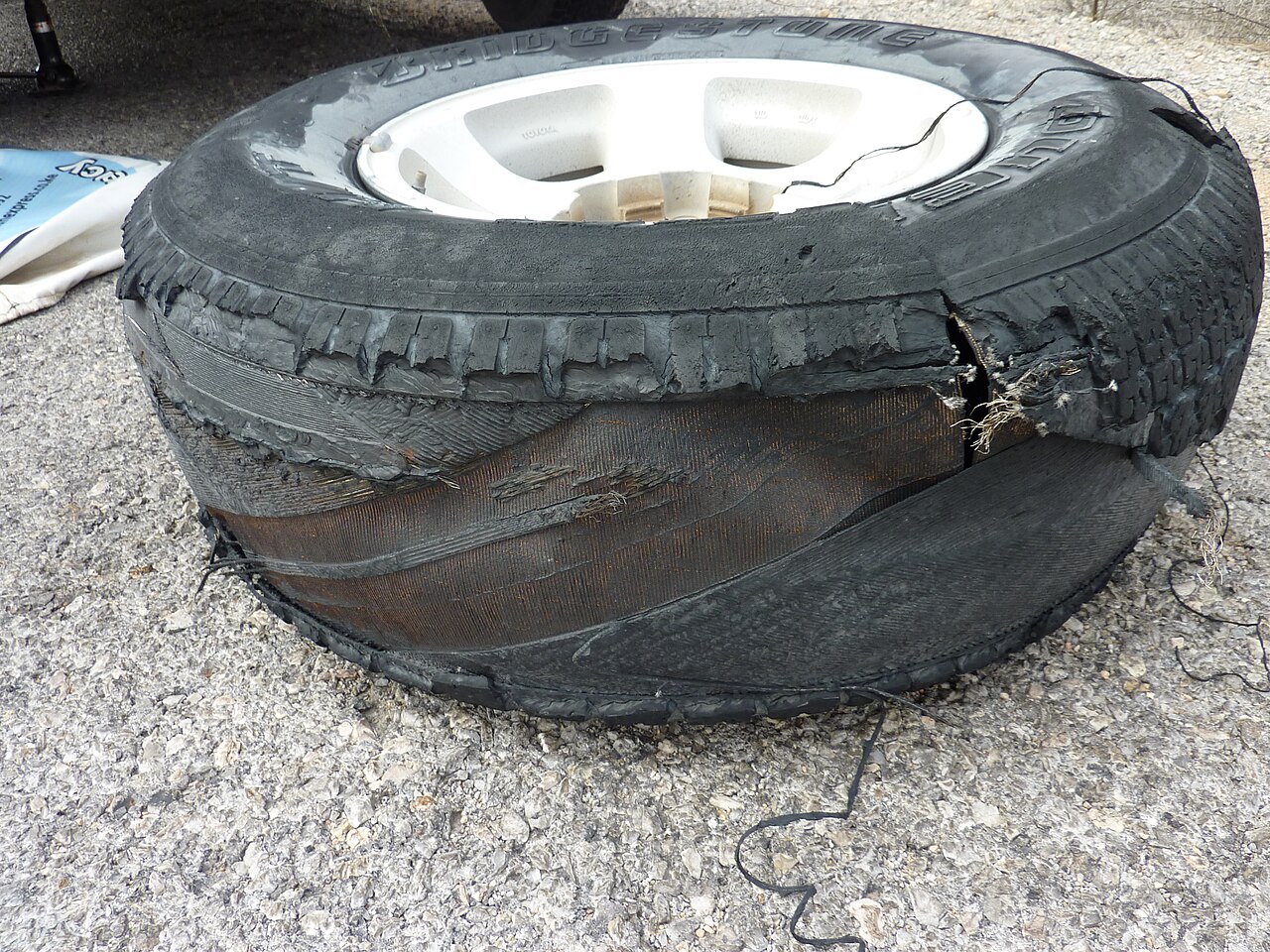
On a humid Saturday morning in Hallandale, the sun was already beating down on the strip mall parking lots. I was pulling up in a blue SUV that had just turned onto NE 25th Avenue when the tire suddenly skittered. The wheel spun out of control and the car lurched sideways, just as a blowout can do. The driver, a mom with two kids in the back seat, grabbed the steering wheel and shouted, “We’re not going anywhere—call somebody!” It was a clear reminder that what you do in the first minute can mean the difference between a safe stop and a roadside emergency.
The instinct to keep driving after a blowout is dangerous. Even if the vehicle still moves, the uneven weight and instability can cause a loss of control, especially on hot, slick streets. The first 60 seconds after a blowout are critical: you need to stop, assess, and, if possible, replace the tire quickly.
How do you safely pull over after a blowout?
First, keep the wheel under control. If you can, steer the vehicle into the rightmost lane or an adjacent parking space. Never try to drive straight if the wheel is wobbling; the car can veer unpredictably. On Hallandale’s hot streets, a sudden change in steering can cause a skid that puts the driver and passengers at risk.
What should you do with the engine and brakes right after the blowout?
Turn off the engine as soon as the vehicle is stopped. With the car stopped and off the road, turn off the engine. Apply the parking brake and engage the hazard lights to signal other drivers that you’re stopped. Brake gently and only once the car has slowed well below traffic speed.
How do you check the damaged tire for safety?
Stand on the side of the road and look for obvious damage: a cut, a puncture, or a torn sidewall. Feel the wheel for any wobble. If the tire is still partially inflated and the wheel feels solid, you can consider a temporary fix, but it’s safest to replace it immediately if you have a spare. In Hallandale, the salt from the ocean breeze can make tires more brittle, so even a small cut can be severe.
Why is it important to keep the vehicle in a straight line after stopping?
Once you’ve pulled over, keep the steering wheel straight until you’re sure the wheel is secure. A bent wheel can make the car jack up unevenly and cause a jack to tip. If you’re using a jack, place it on a flat spot and avoid the curb to keep the vehicle stable.
How do you replace a tire quickly on a mobile service?
If you have a spare on board, a practiced hand can swap it in a few minutes. You’ll need a jack, a lug wrench, and a torque wrench. Lift the car, remove the lug nuts, swap the tire, and hand-tighten the nuts, lower the car, then tighten them firmly in a star pattern. The first minute was about getting out of danger; now take your time and do it right.
What should you do if you don’t have a spare tire?
Call Hallandale Mobile Tire at (754) 243-8415. Our technicians will jack the car up and swap on a new tire. The key is to keep the vehicle in a safe position until help arrives. Leaving the car in a damaged state can worsen the damage to the suspension or wheel hub.
What are the signs that you should not try to drive after a blowout?
Any of the following warrant immediate stopping: the wheel is spinning, the car feels unsteady, the tire is visibly torn, or you smell oil or gasoline. If the wheel is spinning, the car may be on a curb or a slope and could roll. On a flat street, a spinning wheel still means you’re losing control.
How to stay calm and keep your focus during the first minute?
Take a deep breath and remember the steps: stop, check, replace or call. Keep your hands on the steering wheel, eyes on the road, and ears open for nearby traffic. The heat and humidity can make you feel tired, but staying focused is essential for safety.
Below is a how-to video on handling a tire blowout while driving. It walks through what to do in the moment a tire lets go — keeping the car straight, slowing down without panicking, and getting safely off the road — the same first-60-seconds priorities this article covers. Watch it once so the moves are familiar before you ever need them.
The embedded video is a DIY walkthrough of handling a tire blowout while driving — staying straight, easing off the gas, and pulling safely off the road. It covers the same first-60-seconds priorities this article lays out, so watch it once and the moves will be familiar if you ever need them.
When to call us
DIY is great, but some jobs need a pro. If you don't have a spare, the wheel is damaged, or you'd rather have an expert handle it, call (754) 243-8415 — Hallandale Mobile Tire serves Hallandale and nearby (Mon-Fri 5PM-7AM, Sat-Sun 24H). No pressure, no upsells.
Stuck on the Shoulder Right Now?
Hazards on, passenger-side exit, call dispatch. We roll in 15 minutes.
📞 Call (754) 243-8415If You Don't Have a Spare
Many newer vehicles (and most diplomat-garage vehicles) ship without a spare. If that's you, our Diagnostic is the next read: scenarios/no-spare-tire.html. Service call is $40 with a $40 booking hold, and we get you home or to a shop.